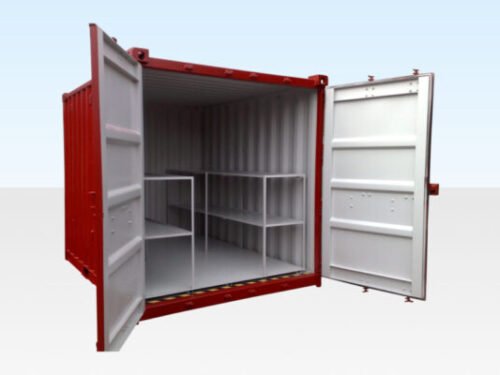

Shipping Containers

Buyers Guide

Buyer’s Guide

Box and Tank Website: boxandtank.com

At Box and Tank, we understand that purchasing a shipping container is a significant investment. Whether you are buying for storage, construction, or commercial use, it is important to make an informed decision. This Buyer’s Guide is designed to help you understand the key factors involved in selecting the right container for your needs.


1. Understanding Container Types

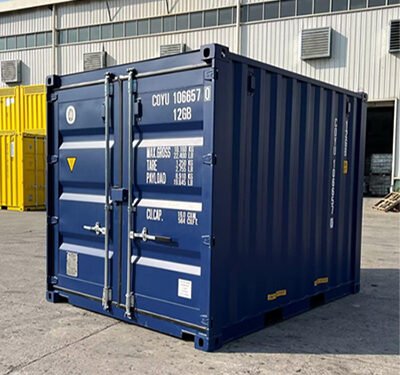
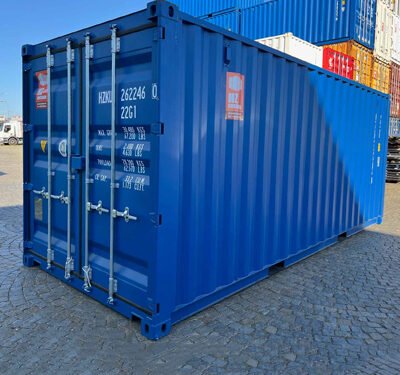
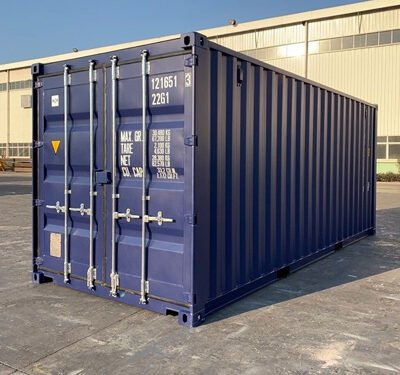
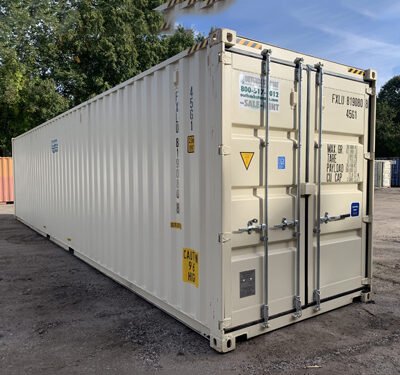
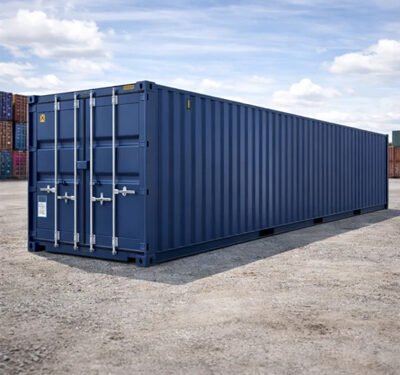
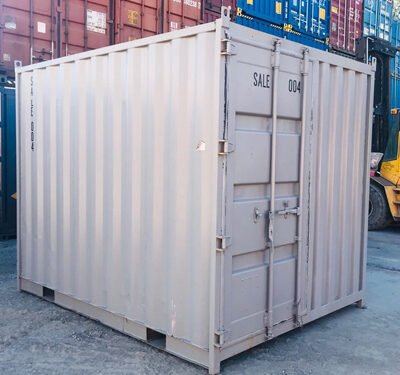
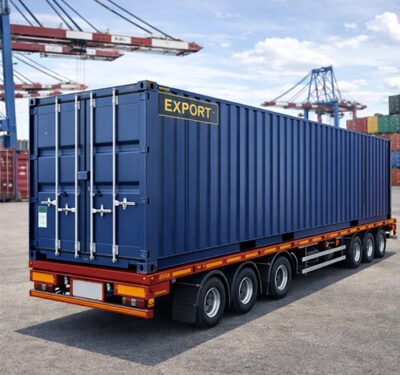
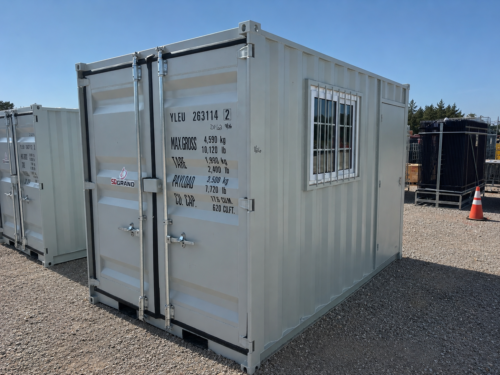
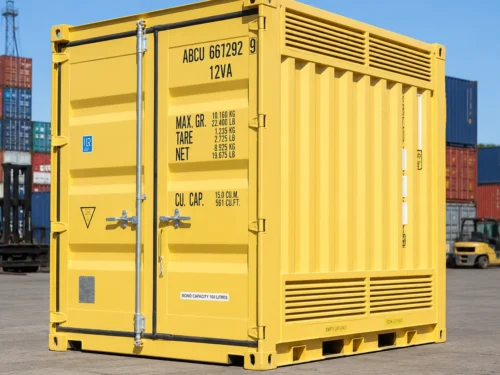
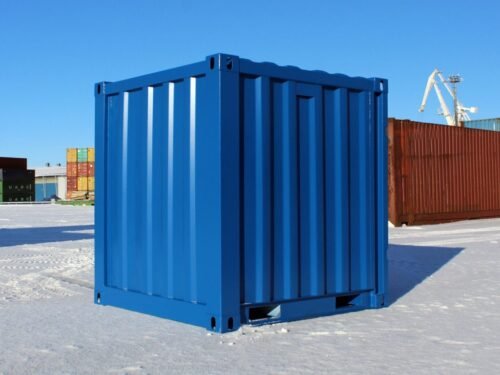
Shipping containers come in different sizes and conditions to suit various purposes. The most common sizes are 20ft and 40ft containers, offering flexibility based on your storage or project requirements.

You may also come across:

  • Standard Containers – Ideal for general storage and transport
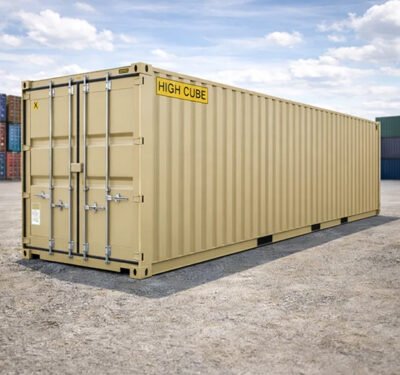
  • High Cube Containers – Provide extra height for additional space
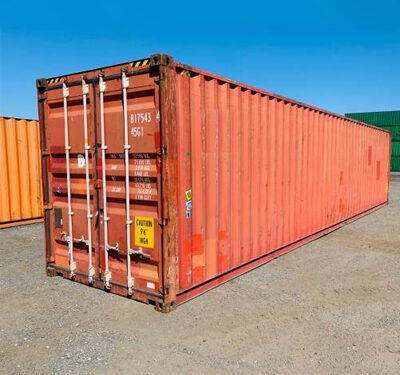
  • Used Containers – Cost-effective with minor wear and tear
  • New (One-Trip) Containers – Excellent condition with minimal usage

Choosing the right type depends on your budget, usage, and long-term requirements.


2. Choosing the Right Size

Selecting the correct size is essential to avoid unnecessary costs or space limitations. A 20ft container is typically suitable for smaller storage needs or limited spaces, while a 40ft container is better for large-scale storage or commercial use. Consider both your current needs and future expansion when making your decision.


3. Container Condition and Quality

Containers are usually categorized based on their condition. Terms like “cargo-worthy,” “wind and watertight,” and “as-is” are commonly used in the industry.

  • Cargo-Worthy (CW): Suitable for shipping and transport
  • Wind & Watertight (WWT): Ideal for storage, protects against weather
  • As-Is: Budget option, may require repairs

At Box and Tank, all containers go through a quality inspection process to ensure reliability and durability.


4. Delivery and Site Preparation

Before purchasing a container, it is crucial to prepare your site properly. Ensure there is enough space for delivery trucks and placement. The ground should be level and strong enough to support the container’s weight. Proper preparation helps avoid delays, additional costs, and placement issues.


5. Understanding Delivery Methods

Containers are typically delivered using specialized equipment such as tilt-bed trucks or flatbed trailers. Each method has specific space and access requirements. Make sure your location can accommodate the selected delivery method for a smooth and successful drop-off.


6. Budget and Pricing Considerations

The cost of a shipping container depends on several factors, including size, condition, location, and delivery charges. While used containers are more affordable, new containers provide better longevity and appearance. It is important to balance cost with quality to get the best value for your investment.


7. Common Uses of Shipping Containers

Shipping containers are highly versatile and can be used for a wide range of applications, such as:

  • Secure storage solutions
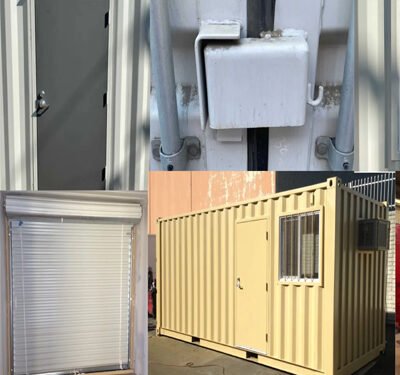
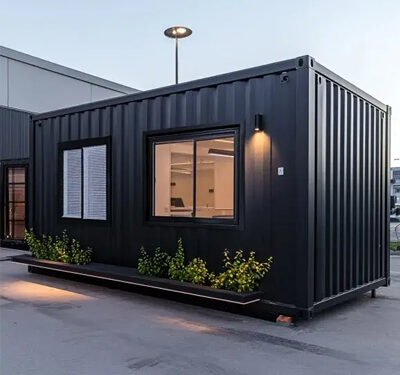
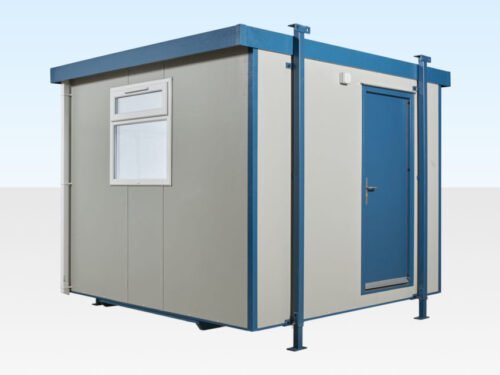
  • Construction site offices
  • Retail or pop-up shops
  • Workshops and garages
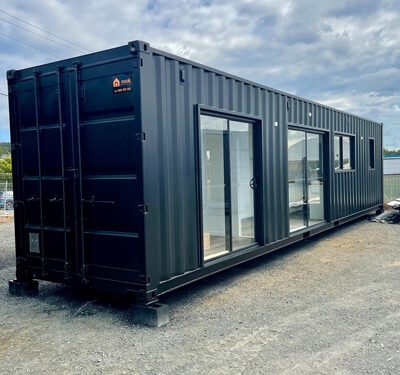
  • Modular housing and custom projects

Understanding your intended use will help you choose the right container specifications.


8. Maintenance and Longevity

With proper care, shipping containers can last for many years. Regular maintenance such as rust prevention, repainting, and ensuring proper ventilation can significantly extend the life of your container. Keeping the container elevated on a solid base can also prevent ground moisture damage.


9. Why Choose Box and Tank

Box and Tank is committed to providing reliable, high-quality containers with a focus on customer satisfaction. Our streamlined process, quality inspections, and efficient delivery services ensure that you receive the right product, on time, and in excellent condition. We aim to make your buying experience simple, transparent, and hassle-free.


10. Final Considerations

Before making a purchase, take time to evaluate your requirements, budget, and site conditions. A well-informed decision will save you time, money, and effort in the long run. If you are unsure, it is always better to review your options carefully and choose a solution that meets both your current and future needs.